
Table of Contents
The world of technology is constantly evolving, and nowhere is this more evident than in the realm of wearable devices. What began as simple fitness trackers has blossomed into a sophisticated ecosystem of smartwatches, fitness bands, augmented reality glasses, and even smart jewelry. These devices are no longer just gadgets; they are becoming integral extensions of ourselves, seamlessly integrating into our daily lives and offering unprecedented levels of convenience, health monitoring, and connectivity.
The Dawn of Wearables: Early Innovations and Their Impact
The concept of wearable technology isn’t entirely new. Early examples include the pocket calculator watch in the 1980s and rudimentary fitness devices that tracked steps. However, it was the advent of more advanced sensors, miniaturization of components, and the rise of smartphones that truly paved the way for the modern wearable revolution. The first major breakthrough came with fitness trackers like Fitbit, which allowed individuals to monitor their physical activity, sleep patterns, and heart rate.
This empowered users with data-driven insights into their health, fostering a greater awareness of personal well-being and encouraging healthier lifestyles. The ability to sync this data with a smartphone app provided a centralized hub for tracking progress, setting goals, and even competing with friends, adding a social and motivational dimension to fitness.
Smartwatches: More Than Just Timekeepers
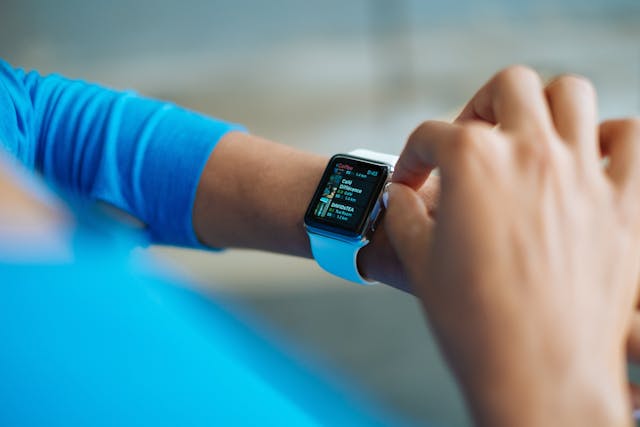
Smartwatches have arguably become the flagship of the wearable tech industry. Devices from Apple, Samsung, Google, and others have transformed the wrist into a powerful communication and information hub. Beyond displaying the time, these watches offer a plethora of functionalities: receiving notifications for calls, texts, and emails; accessing mobile apps; making contactless payments; and controlling smart home devices.
Furthermore, their health-monitoring capabilities have become increasingly sophisticated. Modern smartwatches can track ECGs, blood oxygen levels, fall detection, and provide detailed sleep analysis. This makes them invaluable tools for individuals seeking to proactively manage their health and for those with specific medical conditions who require continuous monitoring. The integration with smartphone ecosystems ensures a fluid user experience, allowing for seamless data synchronization and remote control of various functions.
Beyond the Wrist: Exploring New Frontiers in Wearables
While smartwatches have dominated the market, the wearable landscape is diversifying rapidly. Fitness bands, while often more basic than smartwatches, continue to be popular for their affordability and focus on core activity tracking. These devices are ideal for users who prioritize simplicity and long battery life.
Augmented reality (AR) and virtual reality (VR) headsets, though still niche, represent another exciting frontier. Companies are developing AR glasses that can overlay digital information onto the real world, with potential applications in fields like navigation, education, and industrial maintenance. In the consumer space, AR glasses could offer heads-up displays for notifications, directions, and even real-time language translation.
Smart rings are emerging as a discreet and stylish alternative to wrist-worn devices. These rings pack sensors to monitor sleep, activity, and even body temperature, offering a more unobtrusive way to track key health metrics. Their minimalist design appeals to a demographic that prefers subtle technology. The continuous innovation in materials science and sensor technology is enabling the development of even more advanced and integrated wearables.
We are seeing the emergence of smart clothing, hearables (smart earbuds), and even implantable devices, each with the potential to redefine how we interact with technology and our own bodies. The ability to gather and process biometric data in real-time opens up new possibilities for personalized healthcare and proactive well-being management.
The Technological Backbone: Sensors, Connectivity, and AI
The remarkable advancements in wearable technology are underpinned by several key technological pillars. Miniaturized sensors are at the heart of these devices, enabling them to detect a wide range of physiological data, from heart rate and motion to temperature and blood oxygen saturation. These sensors are becoming more accurate, energy-efficient, and capable of collecting richer datasets.
Connectivity is another crucial element. Bluetooth Low Energy (BLE) is essential for pairing wearables with smartphones and other devices, ensuring efficient data transfer with minimal power consumption. Wi-Fi and cellular connectivity are also being integrated into higher-end devices, allowing for greater independence from smartphones.
Artificial intelligence (AI) and machine learning (ML) are playing an increasingly vital role in processing the vast amounts of data generated by wearables. AI algorithms can analyze patterns, identify anomalies, and provide personalized insights and recommendations to users. For instance, AI can detect subtle changes in sleep patterns that might indicate an underlying health issue or offer tailored fitness advice based on an individual’s activity levels and recovery. The continuous learning capabilities of AI ensure that wearable devices become more intelligent and personalized over time.
Challenges and the Road Ahead
Despite the rapid progress, the wearable technology sector faces several challenges. Battery life remains a significant concern for many advanced devices, limiting their always-on functionality. Data privacy and security are also paramount, as wearables collect sensitive personal information. Ensuring robust encryption and transparent data usage policies is crucial to maintaining user trust.
The interoperability between different platforms and devices is another area for improvement. A more seamless experience across various brands and operating systems would greatly enhance user convenience. As the technology matures, we can expect to see further integration with healthcare systems, enabling remote patient monitoring and personalized health interventions. The development of more intuitive user interfaces and the creation of compelling use cases beyond fitness and notifications will also drive wider adoption.
The future of wearables is likely to involve a greater focus on proactive health management, personalized experiences, and seamless integration into our digital and physical lives. The journey from simple step counters to sophisticated health companions has been remarkable, and the pace of innovation suggests that the most exciting developments are still yet to come. The potential for these devices to revolutionize healthcare, communication, and our understanding of ourselves is immense.
